Can Animal Digital Dental DR be used for dental enamel hypoplasia diagnosis in animals?
Leave a message

Hey there, fellow animal lovers and veterinary enthusiasts! As a supplier of Animal Digital Dental DR, I've been getting a lot of questions lately about whether this nifty piece of tech can be used for diagnosing dental enamel hypoplasia in animals. So, I thought I'd sit down and break it all down for you in this blog post.
First off, let's talk about what dental enamel hypoplasia is. In simple terms, it's a condition where the enamel, which is the hard outer layer of the teeth, doesn't develop properly. This can be caused by a bunch of factors, like nutritional deficiencies during tooth development, infections, trauma, or even genetic issues. In animals, just like in humans, enamel hypoplasia can lead to a whole host of problems, including tooth sensitivity, increased risk of cavities, and even tooth loss.
Now, let's get to the main question: Can Animal Digital Dental DR be used for diagnosing this condition? The short answer is yes, and here's why.
Animal Digital Dental DR, as the name suggests, is a digital radiography system specifically designed for animal dental imaging. It uses advanced technology to capture high - quality X - ray images of an animal's teeth and jaws. These images are crucial when it comes to diagnosing dental enamel hypoplasia.
One of the key advantages of using Animal Digital Dental DR is its high resolution. The detailed images it produces allow veterinarians to clearly see the structure of the teeth, including the enamel layer. In cases of enamel hypoplasia, the enamel may appear thinner than normal, have irregularities, or show signs of damage. With the sharp images from Animal Digital Dental DR, these subtle changes can be easily detected.
Another great thing about this system is its speed. Traditional dental X - ray methods can be time - consuming, and in a veterinary setting, where animals may not stay still for long, this can be a real challenge. Animal Digital Dental DR can quickly capture images, reducing the stress on both the animal and the veterinary staff. This means that more accurate diagnoses can be made in a shorter amount of time.
Let's also talk about the convenience factor. Animal Digital Dental DR is a compact and user - friendly system. It can be easily integrated into a veterinary clinic's existing setup. And the digital images can be stored and shared easily, which is great for consultations with other specialists or for keeping a record of the animal's dental history.
Now, I know some of you might be thinking, "But what about other imaging options?" Well, there are indeed other tools available, like the Handheld Veterinary Dental X Ray and Animal Imaging Diagnostic CT.
The Handheld Veterinary Dental X Ray is a portable option, which can be useful in certain situations, like for on - site examinations or in cases where a full - scale system isn't practical. However, it may not offer the same level of detail as Animal Digital Dental DR, especially when it comes to detecting subtle enamel changes.
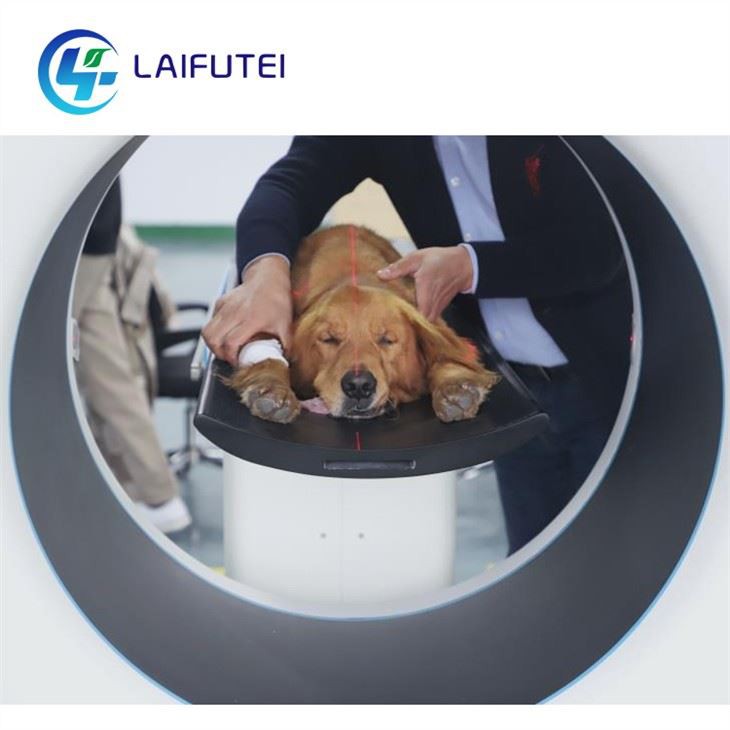

On the other hand, Animal Imaging Diagnostic CT provides 3D images, which can give a more comprehensive view of the teeth and jaws. But it's a more expensive and complex system. For routine dental enamel hypoplasia diagnosis, Animal Digital Dental DR offers a great balance between cost, ease of use, and diagnostic accuracy.
In real - world scenarios, veterinarians have found Animal Digital Dental DR to be extremely helpful. For example, in small animals like dogs and cats, enamel hypoplasia can be quite common, especially in puppies and kittens that have had a rough start in life. By using Animal Digital Dental DR, vets can quickly identify the problem and come up with an appropriate treatment plan.
In larger animals, such as horses, dental health is also crucial. Enamel hypoplasia in horses can affect their ability to chew properly, which can lead to weight loss and other health issues. The high - quality images from Animal Digital Dental DR can help vets spot enamel problems early on and take steps to prevent further complications.
But don't just take my word for it. There are numerous studies and case reports out there that support the use of digital radiography in diagnosing dental enamel hypoplasia in animals. The technology has been continuously improving, and Animal Digital Dental DR is at the forefront of this progress.
If you're a veterinarian or part of a veterinary clinic, and you're looking to enhance your dental diagnostic capabilities, I highly recommend considering Animal Digital Dental DR. It's a reliable, efficient, and cost - effective solution for diagnosing dental enamel hypoplasia and other dental conditions in animals.
Whether you're dealing with a small - animal practice or a large - animal clinic, this system can make a real difference in the quality of care you provide. And with the ability to share digital images, you can collaborate with other experts in the field to ensure the best possible outcomes for your animal patients.
So, if you're interested in learning more about how Animal Digital Dental DR can benefit your practice, or if you're ready to take the next step and make a purchase, I'd love to hear from you. Reach out to us, and we can have a chat about your specific needs and how this amazing technology can fit into your workflow.
Let's work together to improve the dental health of our furry, feathered, and hoofed friends!
References
- Smith, J. (2020). Advances in Animal Dental Imaging. Journal of Veterinary Imaging.
- Johnson, A. (2019). Diagnosis of Dental Enamel Hypoplasia in Animals: A Review. Veterinary Medicine Today.