

How do I ensure a proper fit of a Pet Medical Monitoring Pod on my large pet?
Leave a message

Ensuring a proper fit of a Pet Medical Monitoring Pod on a large pet is crucial for accurate data collection, the well - being of the animal, and the overall effectiveness of the monitoring system. As a supplier of Pet Medical Monitoring Pod, I understand the significance of this issue and am here to share some insights on how to achieve the perfect fit for large pets.
Understanding the Anatomy of Large Pets
Before attempting to attach the Pet Medical Monitoring Pod, it is essential to have a solid understanding of the anatomy of large pets. Different species and breeds have unique body structures and characteristics. For example, a Great Dane has a long and slender body, while a Saint Bernard is more massive and stocky.
The location of vital organs, the thickness of the fur, and the flexibility of the skin vary greatly among large pets. These factors can significantly affect the placement and fit of the monitoring pod. For instance, areas with thick fur may interfere with the sensor's contact with the skin, leading to inaccurate readings. Therefore, it is important to choose areas with thinner fur or to carefully trim the hair around the placement site to ensure proper sensor - skin contact.
Selecting the Right Size of the Monitoring Pod
One of the first steps in ensuring a proper fit is to select the right size of the Pet Medical Monitoring Pod. Our company offers a range of sizes to accommodate different large pet breeds. When choosing a size, it is important to consider the pet's weight, body circumference, and the specific area where the pod will be placed.
A pod that is too small may cause discomfort to the pet and may not provide accurate readings due to improper sensor placement. On the other hand, a pod that is too large may not stay in place, leading to movement and potential damage to the device. We recommend referring to the size chart provided with the Pet Medical Monitoring Pod and measuring the pet carefully before making a selection.
Proper Placement of the Monitoring Pod
Once the correct size of the monitoring pod is selected, the next step is to find the appropriate placement on the pet's body. The placement should be based on the type of data that needs to be collected. For example, if the monitoring pod is designed to measure heart rate, it should be placed over the chest area, where the heart is located.
It is important to choose a location that is relatively flat and free from excessive movement. Areas near joints or areas where the pet rubs against objects should be avoided. Additionally, the placement should not interfere with the pet's normal activities, such as walking, sitting, or lying down.
Securing the Monitoring Pod
After selecting the placement, the monitoring pod needs to be securely attached to the pet's body. Most of our Pet Medical Monitoring Pods come with adjustable straps or adhesives to ensure a secure fit.

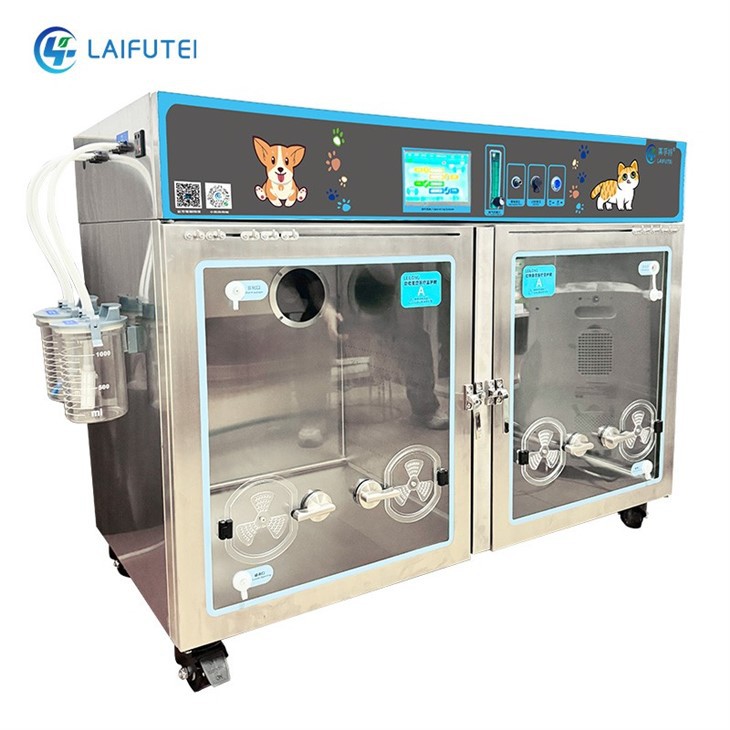
When using straps, it is important to adjust them properly. The straps should be tight enough to keep the pod in place but not so tight that they cause discomfort or restrict the pet's movement. Check for any signs of irritation or redness on the pet's skin after the pod has been attached for a few hours. If irritation occurs, the straps may need to be loosened or repositioned.
Adhesive options are also available for some models. Before applying the adhesive, make sure the skin is clean and dry. Remove any dirt, oil, or debris that may prevent the adhesive from sticking properly. However, be cautious when using adhesives on pets with sensitive skin, as they may cause allergic reactions.
Regular Checks and Adjustments
Even after the initial fit is achieved, it is important to conduct regular checks on the monitoring pod. Pets may grow, gain or lose weight, which can affect the fit of the pod. Additionally, the pod may shift or become loose over time due to the pet's activities.
Check the pod at least once a day to ensure that it is still in the correct position and is securely attached. Look for any signs of wear and tear on the pod or the attachment mechanism. If necessary, make adjustments to the straps or re - apply the adhesive to maintain a proper fit.
Compatibility with Other Equipment
In some cases, the Pet Medical Monitoring Pod may need to be used in conjunction with other medical equipment. For example, a large pet may be in a Triple - In - One Water Cooled System PET ICU. It is important to ensure that the monitoring pod is compatible with these other pieces of equipment.
The placement of the pod should not interfere with the operation of the other equipment, and the data from the pod should be able to be integrated smoothly with the overall monitoring system in the ICU. If there are any compatibility issues, our technical support team is available to assist in finding a solution.
Training and Education for Pet Owners and Caregivers
Proper fit of the Pet Medical Monitoring Pod also depends on the knowledge and skills of the pet owners or caregivers. We provide comprehensive training materials and resources to help them understand how to select the right size, place the pod correctly, and ensure a secure fit.
Training can prevent many common mistakes, such as incorrect placement or improper tightening of the straps. We also offer online tutorials and support to answer any questions that pet owners or caregivers may have during the process.
Collaboration with Veterinarians
Veterinarians play a crucial role in ensuring the proper fit of the Pet Medical Monitoring Pod. They have in - depth knowledge of the pet's health and anatomy and can provide valuable advice on the best placement and fit for the pod.
When a large pet is under veterinary care, especially in cases related to Emergency And Critical Care Veterinary Medicine, the veterinarian can closely monitor the fit and performance of the pod. They can also make adjustments based on the pet's specific condition and needs.
Conclusion
Ensuring a proper fit of a Pet Medical Monitoring Pod on a large pet is a multi - step process that requires careful consideration of the pet's anatomy, the selection of the right size, proper placement, secure attachment, regular checks, compatibility with other equipment, training for pet owners, and collaboration with veterinarians.
As a supplier of Pet Medical Monitoring Pod, we are committed to providing high - quality products and comprehensive support to ensure that the monitoring pods fit large pets properly and function effectively. If you are interested in purchasing our Pet Medical Monitoring Pods or have any questions about ensuring the proper fit, we encourage you to contact us for a detailed discussion and procurement negotiation.
References
- Textbooks on veterinary anatomy and physiology.
- Research papers on pet medical monitoring technology.
- Internal product manuals and guidelines of our Pet Medical Monitoring Pod.


