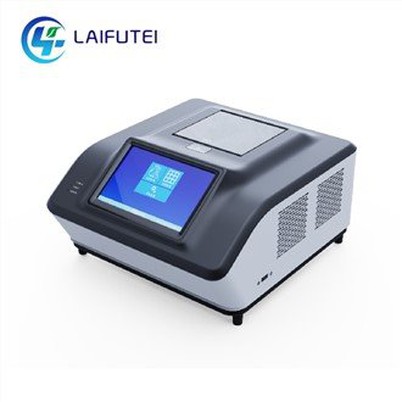
What is the image storage capacity of a handheld veterinary dental X - ray?
Leave a message

As a supplier of Handheld Veterinary Dental X Ray devices, I often encounter inquiries from veterinarians and animal healthcare providers about the image storage capacity of these essential tools. In this blog post, I will delve into the factors that influence the image storage capacity of handheld veterinary dental X - rays, the implications for veterinary practices, and how to choose the right device based on your storage needs.
Understanding the Basics of Image Storage in Handheld Veterinary Dental X - Rays
Handheld veterinary dental X - rays are designed to capture high - quality images of an animal's teeth and oral cavity. These images are crucial for diagnosing dental diseases, planning treatments, and monitoring the progress of dental procedures. The image storage capacity refers to the amount of image data that the device can hold.
The storage capacity is typically measured in gigabytes (GB) or terabytes (TB). Modern handheld veterinary dental X - rays come with a range of storage options, from a few gigabytes for basic models to several terabytes for more advanced devices. The actual storage capacity you need depends on several factors, including the frequency of use, the number of patients, and the types of images you capture.
Factors Affecting Image Storage Capacity
Image Resolution
One of the most significant factors affecting image storage capacity is the resolution of the X - ray images. Higher resolution images contain more detail, but they also require more storage space. For example, a high - resolution image with a pixel count of 3000x2000 will take up more space than a lower - resolution image with a pixel count of 1500x1000. When choosing a handheld veterinary dental X - ray, you need to balance the need for high - quality images with the available storage capacity.
Image Format
The format in which the X - ray images are stored also affects the storage capacity. Different image formats have different compression ratios, which determine how much data is saved. For instance, the DICOM (Digital Imaging and Communications in Medicine) format is commonly used in veterinary imaging because it allows for standardized communication and storage of medical images. However, DICOM images can be quite large, especially if they are not compressed. On the other hand, JPEG (Joint Photographic Experts Group) is a more compressed format that takes up less space but may result in some loss of image quality.
Number of Images
The more X - ray images you capture, the more storage space you will need. In a busy veterinary practice, where multiple patients are examined daily, the number of images can quickly add up. You need to consider the average number of images you take per day, week, or month and factor this into your storage requirements. Additionally, you may want to keep a backup of old images for future reference, which further increases the storage needs.
Implications for Veterinary Practices
Patient Care
A sufficient image storage capacity is essential for providing high - quality patient care. With adequate storage, veterinarians can keep a comprehensive record of each patient's dental history, including pre - and post - treatment images. This allows for better diagnosis, treatment planning, and long - term monitoring of the patient's oral health. For example, by comparing images taken over time, veterinarians can detect the progression of dental diseases such as periodontitis or tooth decay.
Workflow Efficiency
Insufficient storage capacity can lead to workflow disruptions in a veterinary practice. If the device runs out of storage space, veterinarians may have to delete old images or transfer them to an external storage device, which can be time - consuming. This can slow down the diagnostic process and affect the overall efficiency of the practice. On the other hand, a device with ample storage capacity allows for seamless image capture and management, enabling veterinarians to focus on patient care.
Regulatory Compliance
In many regions, there are regulations regarding the retention of medical records, including X - ray images. Veterinary practices are required to keep patient records for a certain period, which may range from a few years to a decade or more. Having enough storage capacity ensures that the practice can comply with these regulations without the risk of losing important patient information.
Choosing the Right Handheld Veterinary Dental X - Ray Based on Storage Needs
Assess Your Requirements
Before purchasing a handheld veterinary dental X - ray, you need to assess your storage requirements. Consider factors such as the size of your practice, the number of patients you see, and the types of images you need to capture. If you have a small practice with a low patient volume, a device with a smaller storage capacity may be sufficient. However, if you have a large practice or perform complex dental procedures that require high - resolution images, you will need a device with a larger storage capacity.

Consider Future Growth
It's also important to consider future growth when choosing a handheld veterinary dental X - ray. As your practice expands, the number of patients and the volume of X - ray images are likely to increase. Therefore, it's advisable to choose a device with some room for growth in terms of storage capacity. Some devices allow for the addition of external storage, such as USB drives or SD cards, which can be a cost - effective way to increase storage as needed.
Evaluate the Device's Features
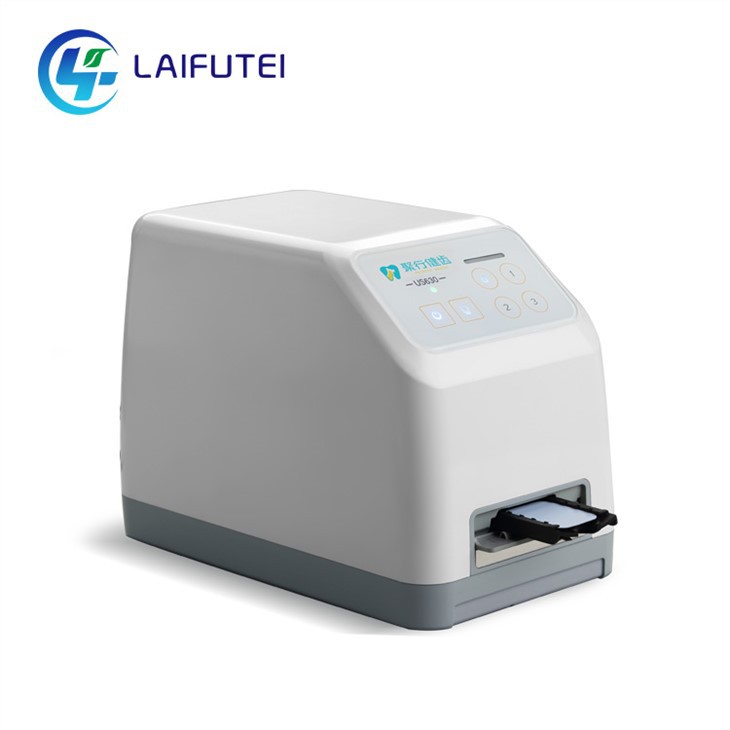
In addition to storage capacity, you should also evaluate other features of the handheld veterinary dental X - ray. For example, some devices offer built - in image management software that allows for easy organization, retrieval, and sharing of X - ray images. Others may have cloud storage options, which provide an additional layer of data security and accessibility. You can explore more about different imaging solutions on our website, such as the Image Scanner CR, Handheld Veterinary Dental X Ray, and Animal Digital Dental DR.
Conclusion
The image storage capacity of a handheld veterinary dental X - ray is a critical factor that can impact patient care, workflow efficiency, and regulatory compliance in a veterinary practice. By understanding the factors that affect storage capacity, assessing your requirements, and choosing the right device, you can ensure that your practice has the necessary tools to provide high - quality dental care for animals.
If you are interested in learning more about our handheld veterinary dental X - ray devices or have any questions regarding image storage capacity, please feel free to contact us for a detailed discussion. We are committed to providing the best solutions for your veterinary imaging needs.
References
- Bushby, P. J., & Wiggs, R. B. (Eds.). (2002). Veterinary dentistry principles and practice. Lippincott Williams & Wilkins.
- Hennet, P., & Lichtenberger, M. (2018). Digital radiography in veterinary dentistry. In Veterinary Dentistry for the General Practitioner (pp. 23 - 32). John Wiley & Sons.
- White, S. N., & Pharoah, M. J. (2009). Oral radiology: principles and interpretation. Mosby Elsevier.