How accurate is pet detection technology?
Leave a message

Hey there, pet lovers and fellow industry folks! I'm part of a Pet Detection supplier, and today, I wanna dig deep into a question that's been on a lot of our minds: How accurate is pet detection technology?
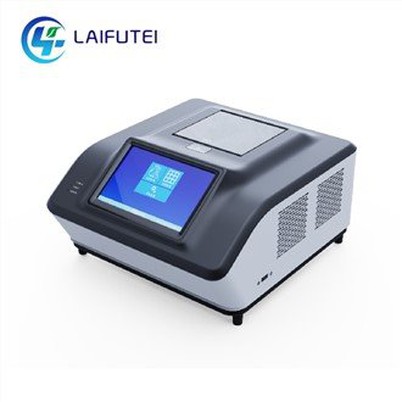
Let's start with the basics. Pet detection technology has come a long way over the years. It's used in a bunch of different scenarios, from identifying diseases in our furry friends to detecting pests that might be bugging them. There are various methods out there, like the Animal Medical PCR Assay, which is a pretty high - tech way to diagnose diseases in animals. PCR, or Polymerase Chain Reaction, is super sensitive. It can detect even tiny amounts of a virus or bacteria's genetic material in a pet's sample.
But here's the thing: no technology is 100% accurate. When it comes to PCR, there are a few factors that can affect its accuracy. For example, if the sample collection isn't done right, it can lead to false results. Say a vet doesn't get enough of the right type of cells during a swab. That could mean the PCR test won't pick up an infection that's actually there, giving a false - negative result. On the flip side, contamination during the testing process can cause false - positives. If there's some stray genetic material from another source in the test tube, it might look like the target pathogen is present when it really isn't.
Another important aspect of pet detection is Animal Laboratory Testing. This encompasses a wide range of tests, from blood work to urine analysis. These tests are crucial for getting a full picture of a pet's health. Blood tests can tell us about a pet's organ function, blood cell counts, and if there are any signs of inflammation or infection. Urine tests can reveal issues with the kidneys, bladder, or even diabetes.
However, like PCR, laboratory testing also has its limitations. The accuracy of these tests can be influenced by the quality of the equipment used in the lab. Outdated or poorly maintained machines might not give accurate readings. Also, the skill of the lab technicians matters a lot. If they don't follow the proper procedures for handling and analyzing samples, the results can be off. For instance, if a technician doesn't let a blood sample clot for the right amount of time before centrifuging it, it can affect the separation of the blood components and lead to inaccurate results.
Now, let's talk about the real - world implications of these inaccuracies. In a veterinary clinic, a false - negative result can be really dangerous. If a pet has a serious disease like parvovirus but the test says it's negative, the pet might not get the treatment it needs in time. This could lead to the disease progressing and potentially being fatal. On the other hand, a false - positive result can cause unnecessary stress and expense for pet owners. They might end up spending money on treatments and medications that their pet doesn't actually need.
But it's not all doom and gloom. The pet detection industry is constantly working on improving accuracy. Companies are investing in better technology and more advanced testing methods. For example, new software is being developed to analyze test results more accurately. These programs can take into account multiple factors and give a more reliable diagnosis. Also, there's a growing emphasis on quality control in laboratories. Regular calibration of equipment and strict adherence to standardized procedures are becoming the norm.
When it comes to our company as a Pet Detection supplier, we're committed to providing the most accurate products and services. We work closely with laboratories to ensure that our testing kits are of the highest quality. We also offer training and support to help technicians use our products correctly. By doing this, we aim to minimize the chances of inaccurate results.
We understand that accuracy is key in pet detection. Our furry friends rely on us to keep them healthy, and accurate testing is a big part of that. Whether it's a simple blood test or a more complex PCR assay, every result matters. That's why we're constantly looking for ways to improve and innovate in this field.
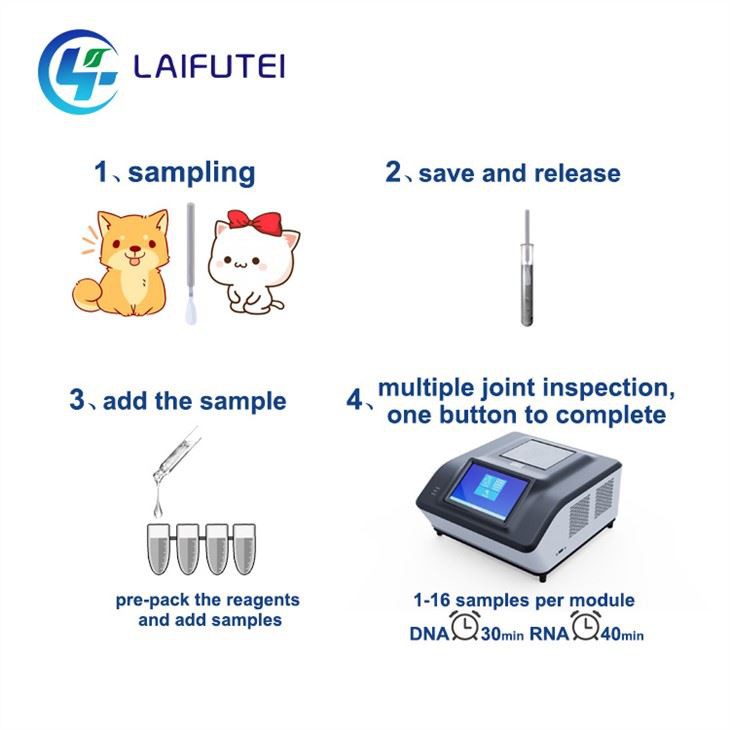

If you're a vet, a pet owner, or someone involved in the pet industry, and you're interested in learning more about our pet detection products and how they can help you get more accurate results, we'd love to hear from you. Whether it's for Animal Laboratory Testing or other diagnostic needs, we're here to assist you. Reach out to us to start a conversation about how we can work together to keep our pets healthy and happy.
In conclusion, while pet detection technology isn't perfect, it's getting better all the time. With the right approach, including proper sample collection, high - quality equipment, and well - trained technicians, we can get pretty close to accurate results. And as a supplier, we're dedicated to being at the forefront of this improvement. So, don't hesitate to get in touch if you want to be part of this journey towards more accurate pet detection.
References
- Various research papers on veterinary diagnostic testing methods
- Industry reports on the advancement of pet detection technology