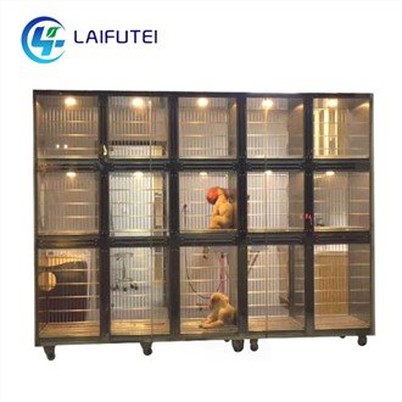
How are feeding tubes used in an Animal Medical ICU?
Leave a message

Here it is a piece of English blog meeting your requirements:
Hey there! As a supplier for an Animal Medical ICU, I've been in the thick of the action, watching how animals get the much - needed care they deserve. Today, I want to talk about one of the nifty tools we use in these ICUs: feeding tubes.
Why Use Feeding Tubes in an Animal Medical ICU?
First off, you might be wondering why we even need feeding tubes. Well, in an ICU, we deal with animals that are really sick, injured, or just not in a state to eat on their own. Eating is super important for recovery, as it gives the body the energy and nutrients it needs to fight off illnesses and heal wounds. But some animals, like those with severe dental problems, neurological issues, or after major surgeries, can't chew or swallow properly. That's where feeding tubes come to the rescue.
Types of Feeding Tubes
There are a few different types of feeding tubes we commonly use in our Animal Medical ICU, based on the animal's condition, how long they'll need the tube, and the type of food they'll be getting.
Nasogastric Tubes
These are like the short - term solution. They're flexible tubes that are inserted through the animal's nostril, down the back of the throat, and into the stomach. Nasogastric tubes are great when we just need to provide nutrition for a few days. They're relatively easy to place, and we can do it right at the bedside without having to put the animal under a lot of anesthesia. But they can be a bit uncomfortable for the animal, and there's a risk of the tube being dislodged if the animal tries to rub at its nose.
Esophagostomy Tubes
These are placed surgically, directly through the neck into the esophagus. Esophagostomy tubes are a good option for animals that need feeding for a few weeks. They bypass the mouth and throat, so they're great for animals with oral injuries or problems. Once in place, they're pretty stable, and the animals tend to tolerate them well. However, because they're surgically placed, there's a risk associated with the surgery itself, like infection or bleeding.
Gastrostomy Tubes
Gastrostomy tubes go straight through the abdominal wall and into the stomach. They're usually used for long - term feeding, like when an animal has a chronic condition that affects its ability to eat. These tubes are very stable and can be used to provide a wide variety of diets. But like esophagostomy tubes, they require surgery, and there are risks involved, such as leakage around the tube site or formation of scar tissue.
How Do We Place Feeding Tubes?
Placing a feeding tube is a delicate process that requires a Critical Care Veterinarian with the right skills and experience.
For Nasogastric Tubes
First, we'll measure the tube to make sure it's the right length to reach the stomach. Then, we'll lubricate the tube to make it slide in more easily. The vet will gently insert the tube through the nostril, guiding it carefully down the throat and into the stomach. We always check to make sure the tube is in the right place by aspirating stomach contents or listening for air sounds when injecting a small amount of air.


Surgical Placement (Esophagostomy and Gastrostomy Tubes)
When it comes to esophagostomy or gastrostomy tubes, the animal needs to be under general anesthesia. For an esophagostomy tube, the vet will make a small incision in the neck over the esophagus and then create an opening in the esophagus to insert the tube. For a gastrostomy tube, an incision is made in the abdomen, and the stomach is brought up to the abdominal wall. A hole is made in the stomach, and the tube is inserted and secured.
After the tube is in place, we'll monitor the animal closely to make sure there are no complications.
Feeding the Animals Through the Tubes
Once the feeding tube is placed, it's time to start providing nutrition. Different animals have different dietary needs, and we'll work with a Critical Care Veterinarian to come up with the right diet.
The food we use can be either commercially available liquid diets or homemade purees. We need to make sure the food is at the right temperature, not too cold or too hot, and that it's a smooth consistency so it can flow easily through the tube.
When feeding, we'll slowly administer the food using a syringe or a feeding pump. Feeding too quickly can cause problems like vomiting, regurgitation, or bloating. So, it's all about taking things slow and steady.
Monitoring and After - Care
After the animal starts getting fed through the tube, we have to keep a close eye on them. We'll monitor their weight, body condition, and how well they're tolerating the food. We also need to check the tube site regularly for any signs of infection, such as redness, swelling, or discharge.
The tubes need to be cleaned regularly to prevent blockages and infections. For example, after each feeding, we'll flush the tube with water to make sure there's no food left inside.
If the animal improves and is able to eat on its own again, we'll gradually wean them off the feeding tube. This is a careful process to make sure the animal can transition smoothly back to normal eating.
Our Role as a Supplier
As a supplier for an Animal Medical ICU, we play a big part in all this. We provide high - quality feeding tubes that are safe and reliable. Our products are designed to minimize discomfort for the animals and make it easier for the vets to place and manage them.
We also offer Pet Medical Health Monitoring Pod that can help in closely monitoring the animals' vital signs during the feeding process and throughout their stay in the ICU. This technology helps the vets make informed decisions about the animal's care.
And if you're running a Cat Medical ICU or any other kind of animal ICU, we've got the right solutions for you. We understand that every animal is different, and we strive to provide products that fit the unique needs of each situation.
Let's Connect!
If you're in the market for top - notch Animal Medical ICU supplies, including feeding tubes, we'd love to have a chat with you. Whether you're looking to upgrade your current equipment or setting up a new ICU, we've got the expertise and products to support you. Feel free to reach out for a purchase negotiation, and let's work together to provide the best care for our furry friends.
References
- Textbook of Small Animal Critical Care Medicine
- Journal of Veterinary Emergency and Critical Care
This might need some light editing based on any super - specific requirements, but it gives a good overview of how feeding tubes are used in an Animal Medical ICU from a supplier's perspective.