What are the factors influencing the accuracy of animal diagnostic imaging results?
Leave a message

Hey there, fellow animal lovers and veterinary pros! As a supplier of Animal Diagnostic Imaging equipment, I've seen firsthand how crucial accurate diagnostic results are in the world of animal healthcare. Today, I want to dive into the factors that can influence the accuracy of animal diagnostic imaging results.

Equipment Quality
Let's start with the obvious one - the quality of the imaging equipment. You see, not all machines are created equal. High - quality equipment can make a world of difference in getting accurate results. For instance, our Handheld Veterinary Dental X Ray is designed with precision in mind. It offers clear and detailed images, which is super important when you're trying to spot dental issues in animals. A low - quality x - ray machine might produce blurry or distorted images, making it difficult for vets to make an accurate diagnosis.
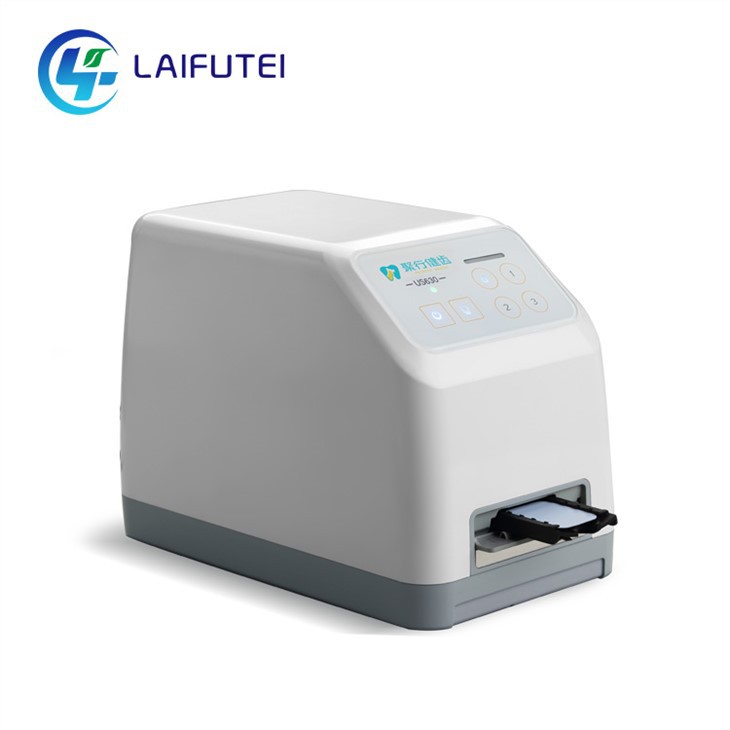
Another piece of equipment we offer is the Image Scanner CR. This scanner plays a vital role in converting the latent image on the imaging plate into a digital image. If the scanner is of poor quality, it can introduce artifacts or reduce the image resolution. On the other hand, our high - end Image Scanner CR ensures that the digital images are sharp and true to the original latent image, giving vets a clear view of what's going on inside the animal's body.
Our Animal Digital Dental DR is also a top - notch product. It uses advanced technology to capture high - definition dental images. The detector in a good DR system has high sensitivity and low noise, which means it can pick up even the smallest details in the dental structure. In contrast, a cheap DR system might miss important features, leading to inaccurate diagnoses.
Operator Skill
Even the best equipment won't do much good if the operator doesn't know how to use it properly. Taking good diagnostic images requires a certain level of skill and training. For example, when taking an x - ray, the operator needs to position the animal correctly. If the animal is not positioned properly, the resulting image might be angled or distorted. This can make it difficult to accurately assess the anatomy and detect any abnormalities.
Proper exposure settings are also crucial. The operator needs to adjust the x - ray tube voltage, current, and exposure time according to the size and type of the animal being imaged. If the exposure is too high, the image will be overexposed, and important details might be lost in the brightness. If the exposure is too low, the image will be underexposed, and it will be hard to see anything clearly.
In addition, operators need to know how to handle the imaging plates or detectors correctly. Mishandling can lead to scratches or other damage, which can affect the image quality. That's why we offer training programs for our customers to ensure that they can get the most out of our equipment.
Animal Movement
Animals don't always stay still when they're being imaged, and this can be a real headache. Movement during the imaging process can cause blurring in the image. For example, if a dog wiggles during an x - ray, the resulting image might look like a smear instead of a clear picture of the bones or organs.
To minimize the impact of animal movement, vets often use sedation or restraint techniques. Sedation can help keep the animal calm and still, but it also has its risks. It's important to use the right type and amount of sedative to avoid any adverse effects on the animal's health. Restraint can be a more non - invasive option, but it needs to be done carefully to avoid causing stress or injury to the animal.
Environmental Factors
The environment where the imaging is taking place can also have an impact on the accuracy of the results. For example, if the room is too bright, it can affect the way the imaging plate or detector captures the image. Excessive light can cause fogging or other artifacts in the image. That's why imaging rooms are usually designed to be dark and light - tight.
Temperature and humidity can also play a role. Extreme temperatures can affect the performance of the imaging equipment. For example, high temperatures can cause the detector in a DR system to overheat, which can lead to reduced image quality. High humidity can cause condensation on the imaging plates or detectors, which can also affect the image.
Software and Image Processing
Once the image is captured, software and image processing come into play. Good image processing software can enhance the image quality by adjusting the contrast, brightness, and sharpness. It can also help in detecting and highlighting any potential abnormalities.
However, if the software is not up - to - date or of poor quality, it might not be able to perform these functions effectively. Outdated software might have bugs or limitations that can prevent it from producing accurate results. That's why we constantly update our software to ensure that our customers can get the best possible image quality and diagnostic support.
Patient Anatomy and Pathology
The unique anatomy and pathology of each animal can also influence the accuracy of the imaging results. Some animals have complex or unusual anatomical structures, which can make it more difficult to interpret the images. For example, small animals might have tiny bones and delicate tissues that are hard to visualize clearly.
Pathological conditions can also make the diagnosis more challenging. Tumors or other abnormal growths can have variable appearances on the images, and it can be difficult to distinguish between different types of tumors or to determine the extent of the disease. In some cases, additional imaging modalities or tests might be needed to get a more accurate diagnosis.
Conclusion
As you can see, there are many factors that can influence the accuracy of animal diagnostic imaging results. From the quality of the equipment to the skill of the operator, and from animal movement to environmental factors, every aspect plays a crucial role.
At our company, we're committed to providing high - quality Animal Diagnostic Imaging equipment and support to our customers. We understand that accurate diagnostic results are essential for the well - being of animals, and we do everything we can to help vets make the right diagnoses.
If you're in the market for Animal Diagnostic Imaging equipment or want to learn more about how we can help improve the accuracy of your imaging results, don't hesitate to reach out to us. We're here to answer your questions and discuss your specific needs. Let's work together to provide the best possible care for our furry friends!
References
- Bush, S. P., & Wiggs, R. B. (2019). Veterinary Dentistry: Principles and Practice. Wiley - Blackwell.
- Thrall, D. E., Robertson, J. S., & Biery, D. N. (2018). Textbook of Veterinary Diagnostic Radiology. Elsevier.