How are end - of - life decisions made in an Animal Medical ICU?
Leave a message

End-of-life decisions in an Animal Medical ICU are complex and emotionally charged processes that involve multiple stakeholders, including veterinarians, pet owners, and sometimes even animal welfare organizations. As a supplier of equipment for Animal Medical ICUs, I have witnessed firsthand the challenges and considerations that go into these difficult decisions. In this blog post, I will explore how end-of-life decisions are made in an Animal Medical ICU, the factors that influence these decisions, and the role that our products can play in supporting the process.


The Decision-Making Process
The decision to end a pet's life is never easy, and it often involves a series of discussions and evaluations. In an Animal Medical ICU, the process typically begins with a thorough assessment of the pet's condition by the veterinary team. This assessment includes a physical examination, diagnostic tests, and a review of the pet's medical history. Based on this information, the veterinarians can determine the pet's prognosis, the likelihood of recovery, and the potential quality of life if the pet were to survive.
Once the prognosis is established, the veterinary team will typically meet with the pet owner to discuss the options. This discussion is often emotional and can be difficult for both the owner and the veterinarians. The veterinarians will explain the pet's condition, the treatment options available, and the potential outcomes of each option. They will also discuss the pet's quality of life, including factors such as pain, mobility, and the ability to eat and drink.
The pet owner will then need to make a decision about the pet's care. This decision can be influenced by a variety of factors, including the pet's age, the severity of the illness or injury, the cost of treatment, and the owner's personal beliefs and values. In some cases, the owner may choose to pursue aggressive treatment in an attempt to save the pet's life. In other cases, the owner may decide that the best course of action is to end the pet's suffering through euthanasia.
Factors Influencing End-of-Life Decisions
There are many factors that can influence end-of-life decisions in an Animal Medical ICU. Some of the most common factors include:
- Medical Condition: The pet's medical condition is one of the most important factors in determining the prognosis and the treatment options available. If the pet has a terminal illness or a severe injury that is unlikely to improve, the veterinarians may recommend euthanasia.
- Quality of Life: The pet's quality of life is another important factor to consider. If the pet is in pain, unable to move or eat, or has a poor prognosis for recovery, the owner may decide that it is in the pet's best interest to end its suffering.
- Cost of Treatment: The cost of treatment can also be a significant factor in end-of-life decisions. Some treatments, such as chemotherapy or surgery, can be very expensive, and the owner may not be able to afford them.
- Owner's Beliefs and Values: The owner's personal beliefs and values can also influence the decision-making process. Some owners may believe that it is their responsibility to do everything possible to save their pet's life, while others may believe that it is more important to respect the pet's dignity and end its suffering.
- Emotional Attachment: The emotional attachment between the owner and the pet can also make the decision-making process more difficult. Owners may have a strong bond with their pets and may be reluctant to let them go.
The Role of Equipment in End-of-Life Decisions
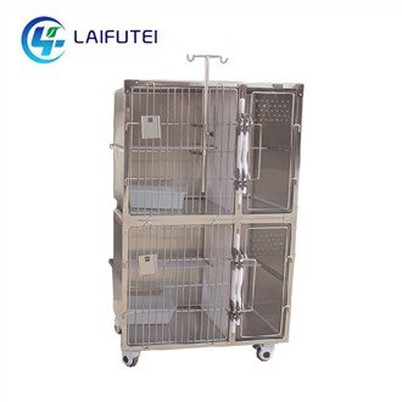
As a supplier of equipment for Animal Medical ICUs, we understand the importance of providing high-quality products that can support the veterinary team in making end-of-life decisions. Our products are designed to provide accurate and reliable monitoring of the pet's vital signs, as well as to provide comfort and support during the treatment process.
One of our most popular products is the Triple-In-One Water Cooled System PET ICU. This system is designed to provide a stable and comfortable environment for the pet during treatment. It includes a water-cooled system that helps to regulate the pet's body temperature, as well as a monitoring system that provides real-time data on the pet's vital signs.
Another important product in our lineup is the PET ICU Monitoring Cabin. This cabin is designed to provide a safe and secure environment for the pet during treatment. It includes a monitoring system that provides real-time data on the pet's vital signs, as well as a ventilation system that helps to keep the air fresh and clean.
Finally, we also offer a Pet Care Unit that is designed to provide comfort and support for the pet during the treatment process. This unit includes a comfortable bed, a feeding system, and a waste management system, as well as a monitoring system that provides real-time data on the pet's vital signs.
Conclusion
End-of-life decisions in an Animal Medical ICU are complex and emotionally charged processes that involve multiple stakeholders. As a supplier of equipment for Animal Medical ICUs, we understand the importance of providing high-quality products that can support the veterinary team in making these difficult decisions. Our products are designed to provide accurate and reliable monitoring of the pet's vital signs, as well as to provide comfort and support during the treatment process.
If you are interested in learning more about our products or would like to discuss your specific needs, please do not hesitate to contact us. We would be happy to provide you with more information and to help you find the right products for your Animal Medical ICU.
References
- American Veterinary Medical Association. (2013). Guidelines for the euthanasia of animals. Retrieved from https://www.avma.org/KB/Policies/Documents/euthanasia.pdf
- Coile, D. C. (2010). The pet owner's guide to end-of-life decisions. Howell Book House.
- King, J. N., & Coile, D. C. (2012). Making decisions about your pet's end-of-life care. American Animal Hospital Association.