What are the maintenance requirements for pet detection devices?
Leave a message

As a supplier of pet detection devices, I understand the significance of maintaining these essential tools to ensure their accuracy, reliability, and longevity. In this blog post, I will delve into the maintenance requirements for pet detection devices, offering insights and practical tips based on my experience in the industry.
Regular Cleaning and Disinfection
One of the most fundamental maintenance tasks for pet detection devices is regular cleaning and disinfection. These devices come into contact with various biological samples, including blood, urine, and saliva, which can harbor bacteria, viruses, and other pathogens. Failure to clean and disinfect the devices properly can lead to cross - contamination, inaccurate test results, and potential health risks for both pets and humans.
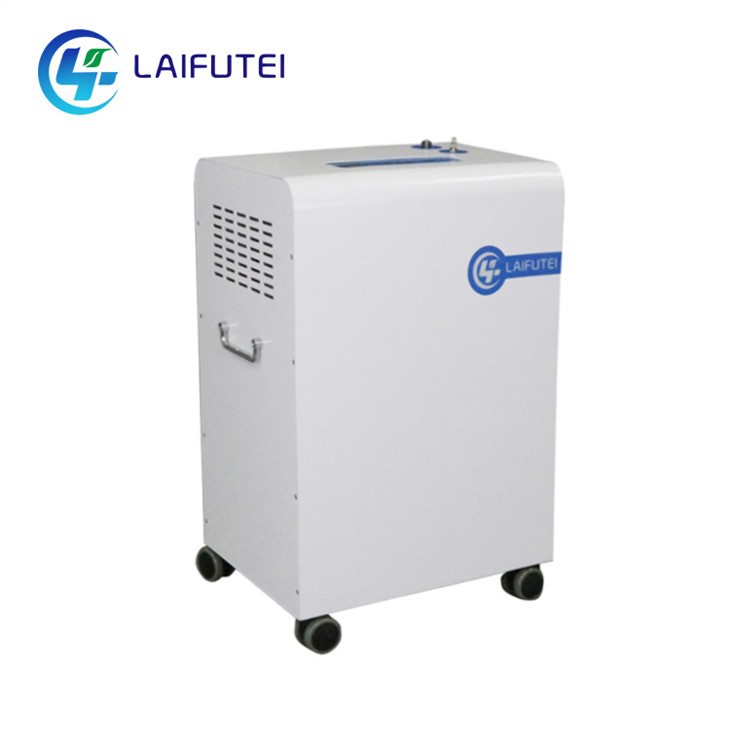
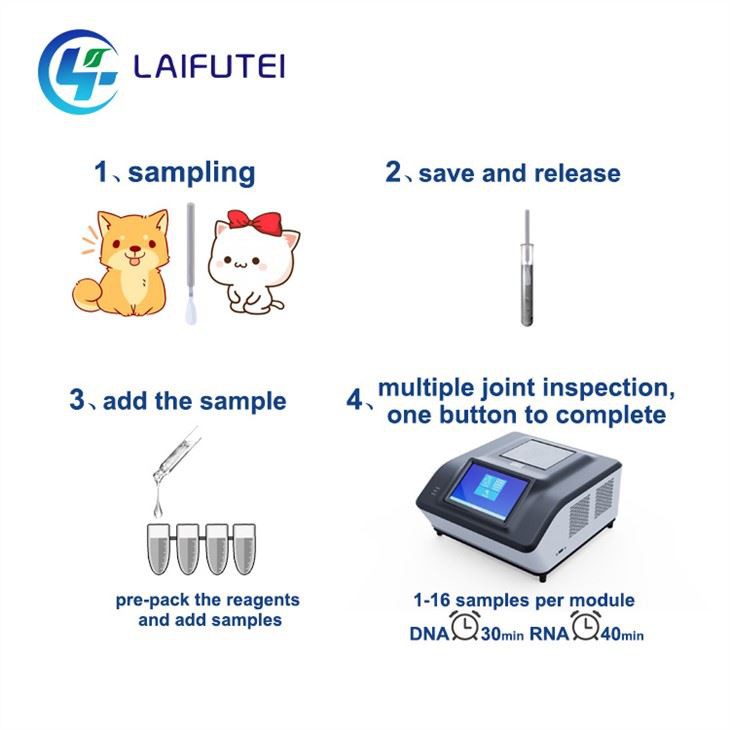
For handheld pet detection devices, such as glucometers and urine analyzers, it is recommended to clean the external surfaces with a soft, lint - free cloth dampened with a mild detergent solution. After cleaning, the device should be thoroughly rinsed with clean water and dried with a dry cloth. The testing components, such as test strips and sensors, should be handled with care and replaced according to the manufacturer's instructions.
For larger, benchtop pet detection devices, such as hematology analyzers and chemistry analyzers, a more comprehensive cleaning procedure is required. These devices often have internal components that need to be cleaned regularly to prevent the buildup of debris and contaminants. It is advisable to follow the manufacturer's cleaning guidelines, which may include using specific cleaning solutions and tools. In addition, the device should be disinfected periodically using a disinfectant approved for use in medical or laboratory settings. You can find more information about the testing and quality control of these devices at Animal Laboratory Testing.
Calibration and Quality Control
Calibration is another critical aspect of maintaining pet detection devices. Calibration ensures that the device is providing accurate and reliable results by adjusting its performance to match a known standard. Over time, the performance of a pet detection device may drift due to factors such as temperature changes, component wear, and electrical interference. Regular calibration helps to correct these drifts and maintain the device's accuracy.
The frequency of calibration depends on the type of device, its usage, and the manufacturer's recommendations. Some devices may require daily or weekly calibration, while others may only need to be calibrated monthly or quarterly. It is important to use high - quality calibration materials and follow the calibration procedures precisely to ensure accurate results.
In addition to calibration, quality control is essential for ensuring the reliability of pet detection devices. Quality control involves testing the device using known samples with established values to verify its performance. This helps to detect any issues with the device's accuracy or precision before they affect patient care. Quality control should be performed regularly, and the results should be documented and analyzed to identify any trends or problems. For more in - depth information on the quality control of pet detection devices, visit Animal Laboratory Testing Factory.
Software Updates
Many modern pet detection devices are equipped with software that controls their operation and data analysis. Software updates are crucial for maintaining the performance and functionality of these devices. Manufacturers often release software updates to fix bugs, improve security, and add new features.
It is important to regularly check for software updates for your pet detection devices and install them as soon as they become available. Before installing an update, it is advisable to back up any important data on the device to prevent data loss. In addition, follow the manufacturer's instructions carefully during the update process to ensure a successful installation.
Storage and Handling
Proper storage and handling of pet detection devices are also important for their maintenance. Devices should be stored in a clean, dry, and temperature - controlled environment to prevent damage from moisture, dust, and extreme temperatures. Avoid exposing the devices to direct sunlight, chemicals, or mechanical shock.
When handling pet detection devices, always follow the manufacturer's instructions. Use appropriate personal protective equipment, such as gloves and goggles, when working with biological samples. Avoid touching the device's sensitive components with dirty hands or objects, as this can cause damage or contamination.
Preventive Maintenance and Servicing
In addition to the regular maintenance tasks mentioned above, preventive maintenance and servicing are essential for ensuring the long - term performance of pet detection devices. Preventive maintenance involves performing routine inspections, lubrication, and adjustment of the device's components to prevent breakdowns and extend its lifespan.
It is recommended to have your pet detection devices serviced by a qualified technician at regular intervals. A professional technician can perform a comprehensive inspection of the device, identify any potential problems, and perform necessary repairs or replacements. Regular servicing can help to minimize downtime, reduce the risk of costly repairs, and ensure the continued accuracy and reliability of the device.
Training and Education
Proper training and education of the users are also crucial for the maintenance of pet detection devices. Users should be trained on how to operate the device correctly, perform maintenance tasks, and troubleshoot common problems. This helps to ensure that the device is used and maintained properly, which can extend its lifespan and improve its performance.
Manufacturers often provide training materials and resources, such as user manuals, online tutorials, and on - site training sessions. It is important to take advantage of these resources to ensure that your staff is well - trained and knowledgeable about the operation and maintenance of the pet detection devices.
Conclusion
Maintaining pet detection devices is essential for ensuring their accuracy, reliability, and longevity. By following the maintenance requirements outlined in this blog post, including regular cleaning and disinfection, calibration, software updates, proper storage and handling, preventive maintenance, and user training, you can ensure that your pet detection devices are performing at their best.
If you are interested in purchasing high - quality pet detection devices or have any questions about their maintenance, please feel free to contact us for a procurement discussion. We are committed to providing the best products and services to meet your needs.
References
- Manufacturer's user manuals for pet detection devices
- Industry standards and guidelines for medical device maintenance
- Scientific literature on the accuracy and reliability of pet detection devices