What are the unique challenges of using veterinary oxygen systems in a zoo environment?
Leave a message

In the realm of zoo veterinary care, the utilization of veterinary oxygen systems presents a distinct set of challenges that diverge significantly from those encountered in traditional veterinary clinics. As a supplier of Veterinary Oxygen Systems, I have witnessed firsthand the complexities that zoos face when integrating these life - saving devices into their medical protocols.
1. Diverse Animal Species and Their Unique Oxygen Requirements
Zoos are home to a vast array of animal species, each with its own set of physiological characteristics and oxygen needs. Unlike domestic pets, wild animals can vary greatly in size, from tiny songbirds to massive elephants. Smaller animals such as rodents or birds may require a more precise and delicate delivery of oxygen due to their low metabolic rates and small lung capacities. On the other hand, large mammals like lions or bears demand a high - volume oxygen supply to meet their significant oxygen consumption during stress or illness.
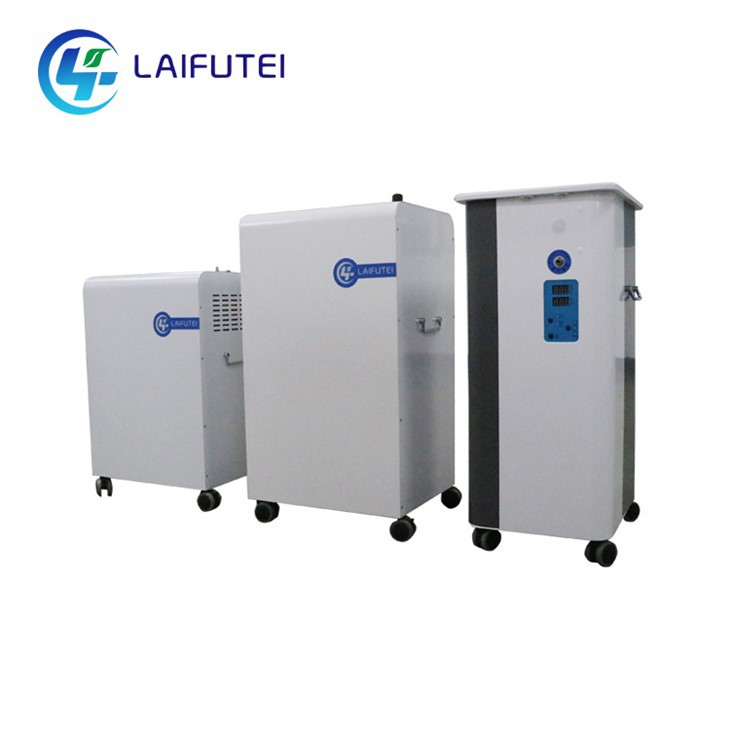
For example, reptiles have a unique respiratory system compared to mammals. They often have slower breathing rates and may require a different oxygen flow rate and concentration. Amphibians, which can breathe through their skin as well as their lungs, present yet another challenge in terms of oxygen delivery. This diversity means that a one - size - fits - all approach to veterinary oxygen systems is simply not feasible in a zoo environment. Zoos need to invest in systems that can be highly adjustable to accommodate the varying needs of different species. Our Oxygen Generator for Veterinary Hospital offers a range of settings that can be fine - tuned to meet the specific requirements of different animals, but it still requires careful calibration and monitoring.
2. Environmental Factors in Zoo Settings
Zoos are open - air or semi - open environments, which expose veterinary oxygen systems to a variety of environmental challenges. Temperature fluctuations can have a significant impact on the performance of oxygen delivery equipment. Extreme heat can cause components to overheat, potentially leading to malfunctions, while cold temperatures can affect the viscosity of lubricants in the system and slow down the movement of mechanical parts.
Humidity is another factor. High humidity levels can cause condensation inside the oxygen delivery tubes and masks, which not only reduces the efficiency of oxygen delivery but also increases the risk of bacterial growth. Dust and debris from the zoo environment can also clog filters in the oxygen systems, reducing the quality of the oxygen supply and potentially causing damage to the equipment. To mitigate these issues, zoos need to ensure that their veterinary oxygen systems are properly protected and maintained. Our Pet Medical Oxygen Machine is designed with high - quality filters that can withstand a certain degree of environmental exposure, but regular cleaning and maintenance are still essential.
3. Safety and Handling Concerns
Safety is a paramount concern in any veterinary setting, but it takes on added complexity in a zoo. Zoo animals are often wild or semi - wild, which means that handling them during oxygen therapy can be extremely dangerous. An agitated or stressed animal may lash out, potentially damaging the oxygen equipment or injuring the veterinary staff.
In addition, oxygen is a highly flammable gas. In a zoo environment, where there may be a variety of heat sources, electrical equipment, and potential ignition points, the risk of fire is a constant concern. Zoos need to have strict safety protocols in place for the storage, handling, and use of oxygen systems. This includes proper ventilation in the areas where oxygen is stored and used, as well as training for all staff members on the safe operation of the equipment.
4. Mobility and Accessibility
In a zoo, animals may be housed in different enclosures spread over a large area. This means that veterinary oxygen systems need to be mobile and easily accessible. In an emergency, there may not be enough time to transport an ill or injured animal to a central veterinary facility. Portable oxygen systems are essential, but they need to be lightweight, durable, and easy to operate in various settings.
However, developing truly portable and effective veterinary oxygen systems is a challenge. The need to balance portability with the ability to deliver a sufficient amount of oxygen for different species is a delicate one. Our company is constantly working on improving the design of our portable oxygen systems to meet the specific needs of zoo veterinarians, but there is still room for improvement in terms of battery life, size, and ease of use.
5. Training and Staff Competency
Proper training of zoo veterinary staff is crucial for the effective use of veterinary oxygen systems. Unlike in a traditional veterinary clinic, zoo veterinarians may not have as much experience with certain species. They need to be trained not only on the technical aspects of operating the oxygen systems but also on the specific oxygen requirements of different animals.
Training should also cover emergency procedures, such as how to quickly set up and troubleshoot the oxygen system in a high - stress situation. Additionally, regular refresher courses are necessary to keep the staff updated on the latest best practices. As a supplier, we offer training programs for our customers, but ensuring that all zoo staff members are well - trained and competent is an ongoing challenge.

6. Cost - Effectiveness
Zoos often operate on limited budgets, and the cost of purchasing, maintaining, and operating veterinary oxygen systems can be a significant burden. The need for specialized equipment to meet the diverse needs of different species, as well as the additional costs associated with environmental protection and safety measures, can add up quickly.
However, cutting corners on the quality of the oxygen systems is not an option, as it can compromise the health and well - being of the animals. Zoos need to find a balance between cost - effectiveness and the quality of the equipment. Our company understands this challenge and offers a range of products at different price points, as well as maintenance packages to help zoos manage their costs.
Conclusion
The use of veterinary oxygen systems in a zoo environment is fraught with unique challenges. From the diverse oxygen requirements of different animal species to the environmental factors, safety concerns, mobility needs, training requirements, and cost - effectiveness, zoos face a complex set of issues when it comes to providing oxygen therapy to their animals.
As a supplier of Veterinary Oxygen Systems, we are committed to working closely with zoos to overcome these challenges. Our Oxygen Generator for Veterinary Hospital and Pet Medical Oxygen Machine are designed with the specific needs of zoo environments in mind, but we recognize that there is always room for improvement.
If you are a zoo veterinarian or part of a zoo management team looking for reliable and effective veterinary oxygen systems, we invite you to contact us for a detailed discussion on how our products can meet your needs. We are ready to engage in procurement discussions and work with you to develop customized solutions for your zoo.
References
- Fowler, M. E. (1993). Zoo and Wild Animal Medicine. W.B. Saunders Company.
- Miller, R. E., & Fowler, M. E. (2012). Zoo and Wild Animal Medicine: Current Therapy 6. Elsevier Health Sciences.
- Pasmans, F., et al. (2008). Respiratory diseases in reptiles. Veterinary Clinics of North America: Exotic Animal Practice, 11(3), 469 - 489.