What is the average success rate of veterinary dental cleaning?
Leave a message

The field of veterinary dental care has witnessed significant growth in recent years, with pet owners becoming more aware of the importance of oral hygiene for their furry companions. As a leading supplier of veterinary dental cleaning products, I often encounter questions about the average success rate of veterinary dental cleaning. In this blog post, I will delve into this topic, exploring the factors that influence success rates and providing insights based on scientific research and industry experience.
Understanding Veterinary Dental Cleaning
Veterinary dental cleaning, also known as dental prophylaxis, is a comprehensive procedure that involves the removal of plaque, tartar, and bacteria from a pet's teeth and gums. This process typically includes scaling, polishing, and a thorough oral examination. Just like in human dentistry, maintaining good oral hygiene in pets is crucial for preventing dental diseases such as periodontal disease, tooth decay, and bad breath.
Factors Affecting the Success Rate
The success rate of veterinary dental cleaning can vary depending on several factors. One of the most significant factors is the pet's overall oral health before the procedure. Pets with advanced periodontal disease, severe tartar buildup, or other dental issues may have a lower success rate compared to those with relatively healthy mouths.
Another important factor is the skill and experience of the veterinary team performing the cleaning. A well-trained veterinarian and veterinary technician are essential for ensuring that the procedure is carried out safely and effectively. They should be familiar with the latest techniques and equipment in veterinary dentistry to achieve the best possible results.
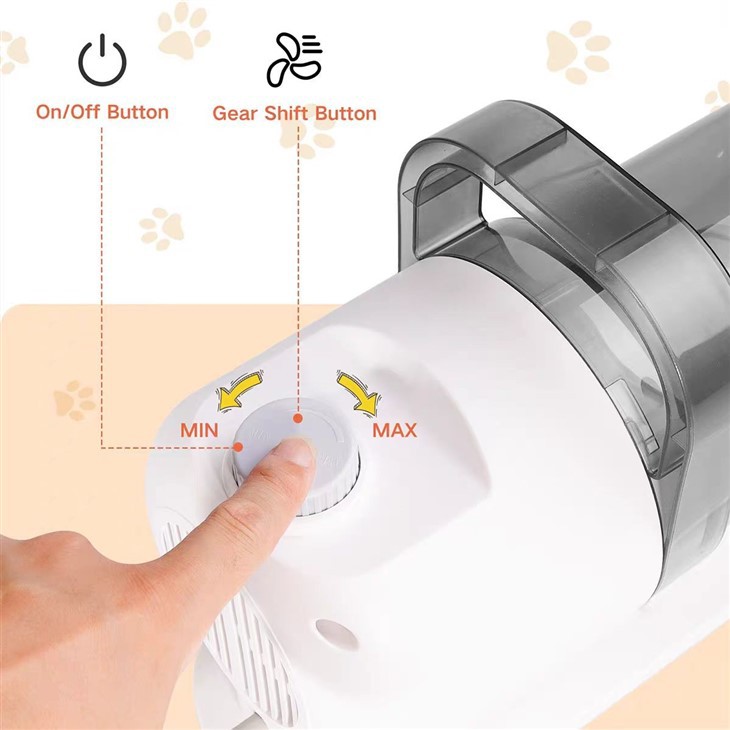
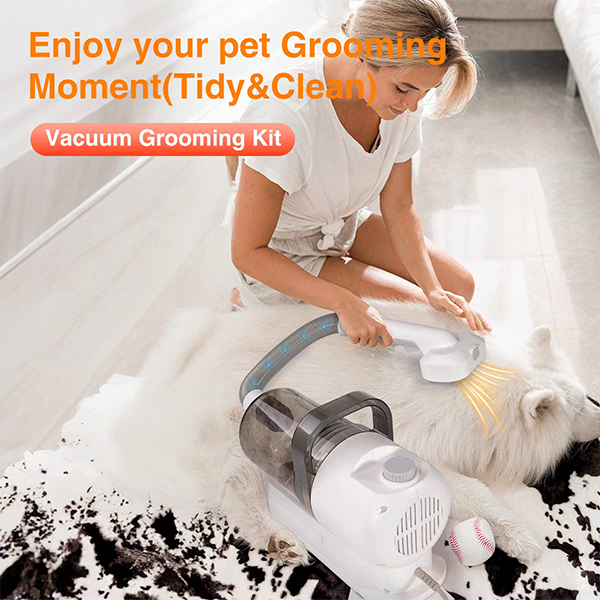
The type of equipment used during the dental cleaning also plays a role in the success rate. High-quality dental instruments are designed to remove plaque and tartar more efficiently, reducing the risk of damage to the teeth and gums. At our company, we offer a wide range of Vet Tech Dental Instruments that are specifically designed for veterinary use, ensuring optimal performance and patient comfort.
Measuring Success
Determining the success rate of veterinary dental cleaning can be challenging, as there is no universally accepted definition of "success." However, some common indicators of a successful dental cleaning include:
- Reduction in Plaque and Tartar: A significant decrease in the amount of plaque and tartar on the teeth is a positive sign that the cleaning was effective.
- Improvement in Oral Health: This can be measured by a reduction in inflammation, bleeding gums, and bad breath.
- Prevention of Future Dental Problems: A successful dental cleaning should help prevent the development of future dental diseases, such as periodontal disease and tooth decay.
Scientific Studies on Success Rates
While there is limited research on the exact average success rate of veterinary dental cleaning, several studies have provided valuable insights into the effectiveness of the procedure.
One study published in the Journal of Veterinary Dentistry found that dental prophylaxis significantly reduced plaque and tartar levels in dogs and cats. The study also reported improvements in oral health parameters, such as gingival inflammation and bleeding, following the cleaning.
Another study conducted by the American Veterinary Dental College (AVDC) evaluated the long-term effects of dental cleaning on the oral health of dogs. The results showed that regular dental cleanings helped prevent the progression of periodontal disease and improved the overall quality of life for the animals.
Our Experience as a Supplier
As a supplier of veterinary dental cleaning products, we have had the opportunity to work closely with many veterinary clinics and practices. Through our interactions with these professionals, we have gained valuable insights into the success rates of dental cleanings in real-world settings.
In our experience, clinics that invest in high-quality dental equipment and provide ongoing training for their staff tend to achieve better results. By using the latest technology and techniques, they are able to perform more thorough and effective dental cleanings, leading to higher success rates and improved patient outcomes.
The Role of Pet Owners
Pet owners also play a crucial role in the success of veterinary dental cleaning. After the procedure, it is important for them to follow the veterinarian's recommendations for at-home dental care. This may include brushing the pet's teeth regularly, providing dental treats and toys, and scheduling regular dental check-ups.
At our company, we also offer a range of products to help pet owners maintain their pet's oral hygiene at home. Our Pet Groomining Kit & Vacuum and Dog Hair Fur Grooming Brush Kit Cleaner are designed to make at-home dental care easier and more effective.
Conclusion
In conclusion, while it is difficult to determine the exact average success rate of veterinary dental cleaning, it is clear that the procedure can be highly effective in improving the oral health of pets. By considering factors such as the pet's pre-existing oral condition, the skill of the veterinary team, and the quality of the equipment used, veterinarians can increase the likelihood of a successful cleaning.
As a supplier of veterinary dental cleaning products, we are committed to providing high-quality equipment and support to veterinary clinics and practices. We believe that by working together with veterinarians and pet owners, we can help ensure the best possible outcomes for our furry patients.
If you are interested in learning more about our veterinary dental cleaning products or would like to discuss a potential partnership, please do not hesitate to contact us. We look forward to working with you to improve the oral health of pets everywhere.
References
- Journal of Veterinary Dentistry, [Title of relevant study], [Year of publication]
- American Veterinary Dental College, [Title of relevant study], [Year of publication]