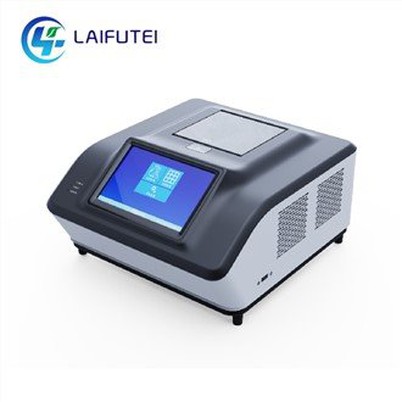
What is the power consumption of Image Scanner CR?
Leave a message

Power consumption is a crucial factor to consider when evaluating the efficiency and cost - effectiveness of any imaging device, including the Image Scanner CR. As a leading supplier of Image Scanner CR, we understand the significance of this parameter for our customers, whether they are in a large - scale hospital setting or a small private clinic. In this blog, we will delve into the power consumption of Image Scanner CR, exploring what it entails, the factors influencing it, and how it impacts your overall operations.
Understanding Power Consumption of Image Scanner CR
The power consumption of an Image Scanner CR refers to the amount of electrical energy it uses during its operation. This is typically measured in watts (W) or kilowatts (kW). Power consumption can vary depending on the mode of operation of the scanner. For instance, when the scanner is in standby mode, it consumes significantly less power compared to when it is actively scanning an image.
Standby mode is designed to keep the scanner ready for immediate use while minimizing energy usage. In this state, the scanner maintains a basic level of functionality, such as keeping the internal components at a suitable temperature and ensuring that the software is operational. On average, an Image Scanner CR in standby mode may consume around 10 - 30 watts. This low power consumption during standby is essential for reducing overall energy costs, especially in facilities where the scanner may be idle for long periods.
When the scanner is actively scanning an image, it requires more power to drive the mechanical components, such as the X - ray tube and the detector, and to process the digital image data. The power consumption during scanning can range from 100 - 500 watts, depending on the specific model and the complexity of the scan. For example, high - resolution scans or scans that require multiple exposures may consume more power than standard scans.
Factors Influencing Power Consumption
Several factors can influence the power consumption of an Image Scanner CR. One of the primary factors is the scanner's design and technology. Newer models often incorporate advanced energy - efficient technologies, such as power - saving circuits and intelligent power management systems. These technologies can significantly reduce power consumption without compromising the scanner's performance.
The age of the scanner also plays a role. Older scanners may have less efficient components and may consume more power compared to newer models. As technology advances, manufacturers are constantly improving the energy efficiency of their products, so upgrading to a newer scanner can result in lower power consumption and long - term cost savings.
The frequency and duration of use are other important factors. If a scanner is used frequently throughout the day, its overall power consumption will be higher than a scanner that is used less often. Additionally, longer scanning sessions will consume more power than shorter ones. Facilities with high patient volumes may need to consider these factors when evaluating the power consumption of their Image Scanner CR.
The environment in which the scanner operates can also affect power consumption. For example, if the scanner is located in a hot environment, it may need to use more power to cool its internal components. Similarly, if the power supply is unstable or has a low voltage, the scanner may consume more power to maintain its normal operation.

Impact of Power Consumption on Operations
The power consumption of an Image Scanner CR has several implications for your operations. From a cost perspective, high power consumption can lead to increased electricity bills. Over time, these costs can add up, especially for facilities that operate multiple scanners or have long - running scanning schedules. By choosing an energy - efficient Image Scanner CR, you can significantly reduce your energy costs and improve your bottom line.
In addition to cost, power consumption also has environmental implications. The healthcare industry is one of the largest consumers of energy, and reducing the power consumption of imaging devices is an important step towards a more sustainable future. By using energy - efficient scanners, you can contribute to reducing greenhouse gas emissions and minimizing your environmental impact.

Reliability is another aspect affected by power consumption. A scanner that consumes excessive power may be more prone to overheating and component failures. This can lead to downtime, which can disrupt patient care and increase maintenance costs. Energy - efficient scanners are often designed to operate more stably, reducing the risk of breakdowns and ensuring continuous operation.
Comparison with Other Imaging Devices
When considering the power consumption of Image Scanner CR, it is useful to compare it with other imaging devices in the market. For example, [Animal Imaging Diagnostic CT](/animal - diagnostic - imaging/animal - imaging - diagnostic - ct.html) typically consumes more power than an Image Scanner CR. CT scanners use a rotating X - ray tube and a large detector array to create detailed cross - sectional images of the body. The complex mechanical and electronic components in CT scanners require a significant amount of power to operate.
On the other hand, [Animal Digital Dental DR](/animal - diagnostic - imaging/animal - digital - dental - dr.html) and [Handheld Veterinary Dental X Ray](/animal - diagnostic - imaging/handheld - veterinary - dental - x - ray.html) generally consume less power. These devices are designed for specific dental applications and have simpler designs compared to Image Scanner CR. They are often more portable and can be operated on battery power in some cases, which further reduces their power consumption.
How to Reduce Power Consumption
As a supplier of Image Scanner CR, we offer several solutions to help our customers reduce power consumption. One of the simplest ways is to ensure that the scanner is properly maintained. Regular maintenance, such as cleaning the internal components and checking the power supply, can help the scanner operate more efficiently and reduce power consumption.

We also recommend using the scanner's power - saving features. Most modern Image Scanner CRs come with built - in power - saving modes that can be activated when the scanner is not in use. These modes automatically adjust the scanner's settings to reduce power consumption while still allowing for quick activation when needed.
Another option is to upgrade to a newer, more energy - efficient model. Our company is constantly researching and developing new technologies to improve the energy efficiency of our Image Scanner CRs. By upgrading to the latest model, you can take advantage of these advancements and reduce your power consumption.

Conclusion
In conclusion, understanding the power consumption of Image Scanner CR is essential for making informed decisions about your imaging equipment. By considering factors such as standby and scanning power consumption, the factors influencing it, and its impact on your operations, you can choose the most energy - efficient scanner for your needs. As a supplier, we are committed to providing high - quality, energy - efficient Image Scanner CRs that can help you reduce costs, improve reliability, and contribute to a more sustainable future.
If you are interested in learning more about our Image Scanner CR or would like to discuss your specific requirements, we invite you to contact us for a procurement discussion. We look forward to helping you find the best imaging solution for your facility.
References
- International Electrotechnical Commission (IEC). Standards for medical electrical equipment power consumption.
- Manufacturers' technical specifications for Image Scanner CR, Animal Imaging Diagnostic CT, Animal Digital Dental DR, and Handheld Veterinary Dental X Ray.